Opinion | This Grain Should Be the Next Quinoa
Harnessing the Power of Ancient African Grains: A Sustainable Solution to Climate Change
In 1999, Ruth Reichl, then the editor in chief of Gourmet, asked me if I would travel around Ethiopia, the country of my birth, with a writer for the magazine. This trip would mark the beginning of a decades-long obsession with the foods of my ancestors and my attempts to bring them into my home and onto my menus.Unlocking the Potential of Resilient African Grains
Rediscovering the Culinary Treasures of Ethiopia
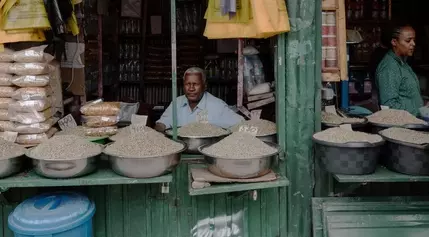
As I stepped off the plane in Addis Ababa, the sights and smells of the open-air market overwhelmed me. The vibrant colors of spices, herbs, and grains ignited a sense of familiarity and comfort, despite my having left the country as a young child. Picking up a handful of millet, I was struck by the possibilities – how toasting it might bring out its earthy notes, or how slow-cooking it in a rich broth could create a creamy, risotto-like texture. This moment marked the start of my journey to explore the culinary heritage of my ancestors and integrate it into my own cooking.The Threat of Climate Change to African Agriculture
In the years since my initial trip, the effects of climate change have become increasingly apparent, posing significant challenges to food production across Africa. Months of heavy rain and flooding have battered East African farmland, while blazing heat and drought in southern Africa have left farmers with little to harvest. These environmental shifts have made it far more difficult to grow traditional staple crops, threatening the food security of communities across the continent.The Resilience of Ancient African Grains
However, a handful of ancient African grains have proven to be well-suited to these difficult planting conditions. Millet, sorghum, and teff are not only delicious and nutritious, but they are also quick to grow, even in the aftermath of natural disasters. Pearl millet, a staple throughout sub-Saharan Africa, can thrive in both waterlogged and barren soil. Teff, the ancient grain used in injera bread, provides up to two-thirds of Ethiopia's protein and dietary fiber, and can regrow even after extreme drought. Fonio, a grain from West Africa, is rich in iron, B vitamins, and calcium, and can sprout quickly and thrive in almost any type of soil with relatively little water.Diversifying the Global Food System
As climate change threatens the availability of global staples like wheat, rice, and potatoes, it is crucial that we diversify the foods on our plates. These ancient African grains not only offer a sustainable solution for our own consumption, but they also provide a lifeline for farming families struggling to make it from season to season. By embracing and promoting these resilient crops, we can create new opportunities for smallholder farmers, strengthen local food systems, and introduce a wider range of nutritious options to global markets.Bringing African Grains to the World Stage
The food industry is beginning to recognize the potential of these ancient African grains. My friend Garrett Oliver, the brew master at Brooklyn Brewery, has partnered with the food company Yolélé to brew beer using fonio. Yolélé is working directly with smallholder fonio farmers in the Sahel region, just south of the Sahara, to connect them with local and global markets. By investing in processing facilities and creating new job opportunities, Yolélé is helping to bring this African grain to a wider audience in the United States and beyond.As we face the challenges of a changing climate, the time has come to look to the past for solutions that can secure our future. By embracing the resilience and nutritional value of ancient African grains, we can not only diversify our food systems, but also empower farming communities and promote sustainable agricultural practices. The future of global food security may very well lie in the rediscovery of these culinary treasures from the African continent.